Maintenance
Part of Getting patio furniture systems right the first time (2027 update)
6 notes on patio furniture systems worth reading
Patio furniture systems: mildew, fading, wobble, corroded fasteners and umbrellas that fail in a gust. What each symptom means, the repair that works.
Outdoor furniture problems fall into three families: moisture, movement and material fatigue. Identify which family a symptom belongs to and the fix is usually cheap. Guess wrong and you replace a set that only needed new fasteners.
What to take away
- Mildew is a drying problem, not a cleaning problem.
- Wobble usually means fasteners or a lipped surface, not a worn-out frame.
- Umbrellas fail in gusts, and gusts arrive faster than people react.
- Cleaning chemicals stored outdoors are a hazard worth handling properly.
Problem: mildew on cushions and covers
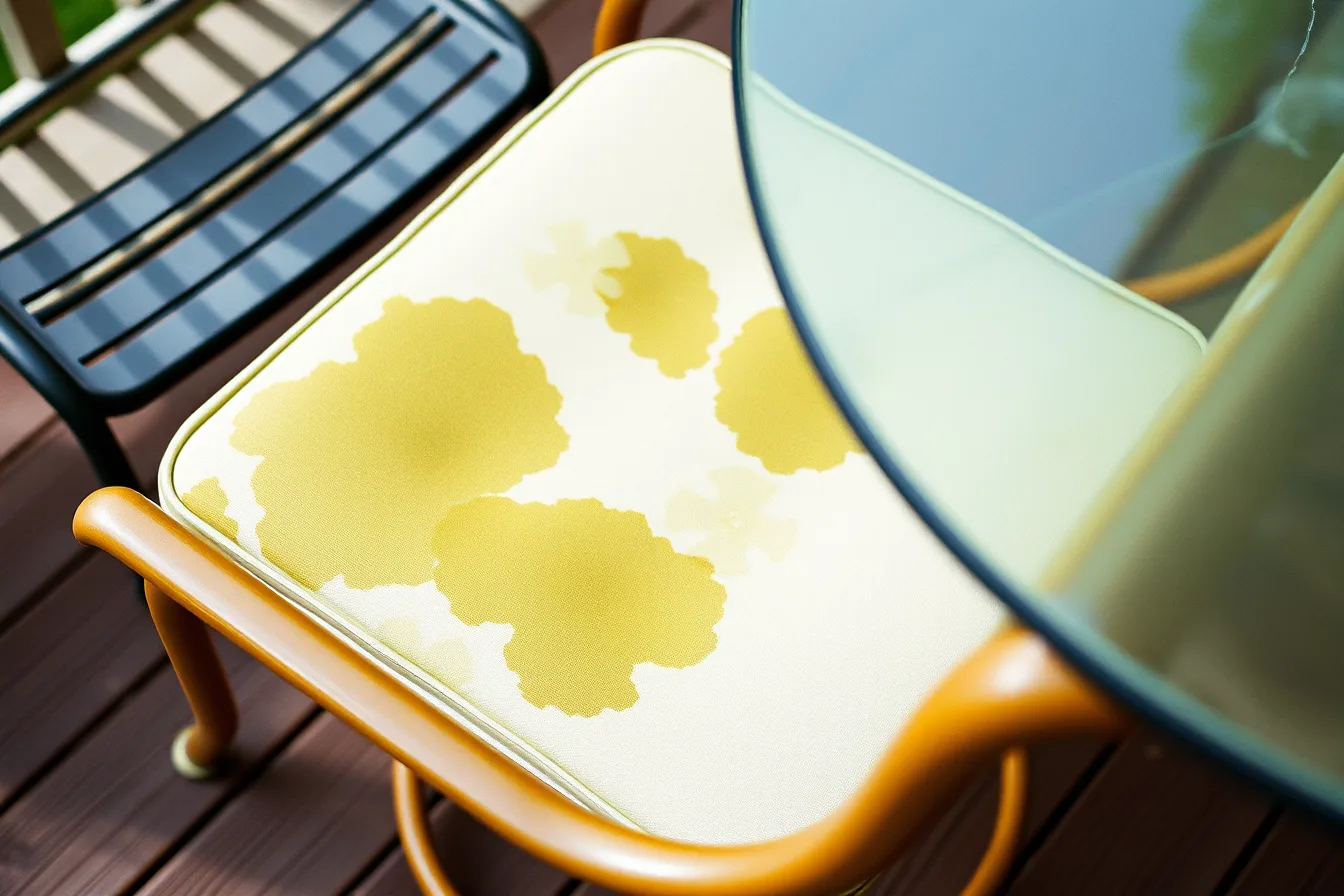
Cause: cushions that never fully dry, or covers that trap moisture against fabric. Fix: improve drying rather than scrubbing harder. Stand cushions on edge after rain, store them ventilated, and choose quick-dry fill when replacing. Follow the fabric maker's cleaning instructions, since some fabrics are damaged by chlorine-based products and some require it.
Problem: fading and chalky coatings
Cause: prolonged ultraviolet exposure. Fix: for fabrics, replacement is usually the honest answer, and solution-dyed material lasts far longer next time. For powder-coated frames, wash and use a manufacturer-approved restorer, and touch up chips promptly because corrosion starts where the coating fails. Material choices that resist this are set out in the comparison of furniture materials.
Problem: a glass tabletop that cracks or shatters
Cause: thermal stress, an impact from a dropped object, or a base that has racked and is loading the glass unevenly. Fix: stop using the table and check the base for movement first. Tempered glass fails suddenly and completely rather than cracking slowly, so a table showing chips at the edge should be replaced rather than watched.
Problem: wobble and racking
Cause: Loose or corroded fasteners, a worn glide, or an uneven surface.
Fix: Check fasteners first and torque them to the manufacturer's figure. Replace corroded hardware with the correct grade, not whatever is in the drawer. If the frame still racks, the joint design has failed, and repair is rarely economical. A test method for patio furniture systems starts with the joints, since racking shows up there before anything else fails.
Problem: the umbrella breaks in wind
Cause: an undersized base, a canopy left open, or a gust arriving faster than expected. Fix: match the base weight to the canopy size, close the umbrella whenever nobody is under it, and choose a design that closes in seconds without tools.
Wind events give little notice. The National Weather Service's tornado hazard resources collect public material on preparing for and responding to these events. Their central point about warning time applies to every strong-wind event: the interval between deciding to act and needing to be finished is short. Anything that takes five minutes to stow will be left out.
Problem: cleaning products causing more damage
Cause: the wrong chemistry for the material, or products stored badly. Fix: test on a hidden area first, and match the product to the specific fabric or finish. Acidic cleaners damage stone tabletops, chlorine damages some fabrics, and solvent cleaners can soften plastic weaves.
Storage matters too. FEMA's Ready campaign's guidance on hazardous materials explains that hazardous substances include flammable and combustible materials, that emergencies happen during their storage, use and disposal, and what the signs of a chemical release are.
A patio storage bench full of solvents, fuel and cleaners in summer heat is exactly the situation that advice describes. Store fuel and solvents in a ventilated place away from the house, never with cushions, and never near a grill or heater. Those habits belong on the same list as the seasonal checks in the furniture checklist.