Reviews
Part of 3 groups of small patio designs, sorted by what they solve
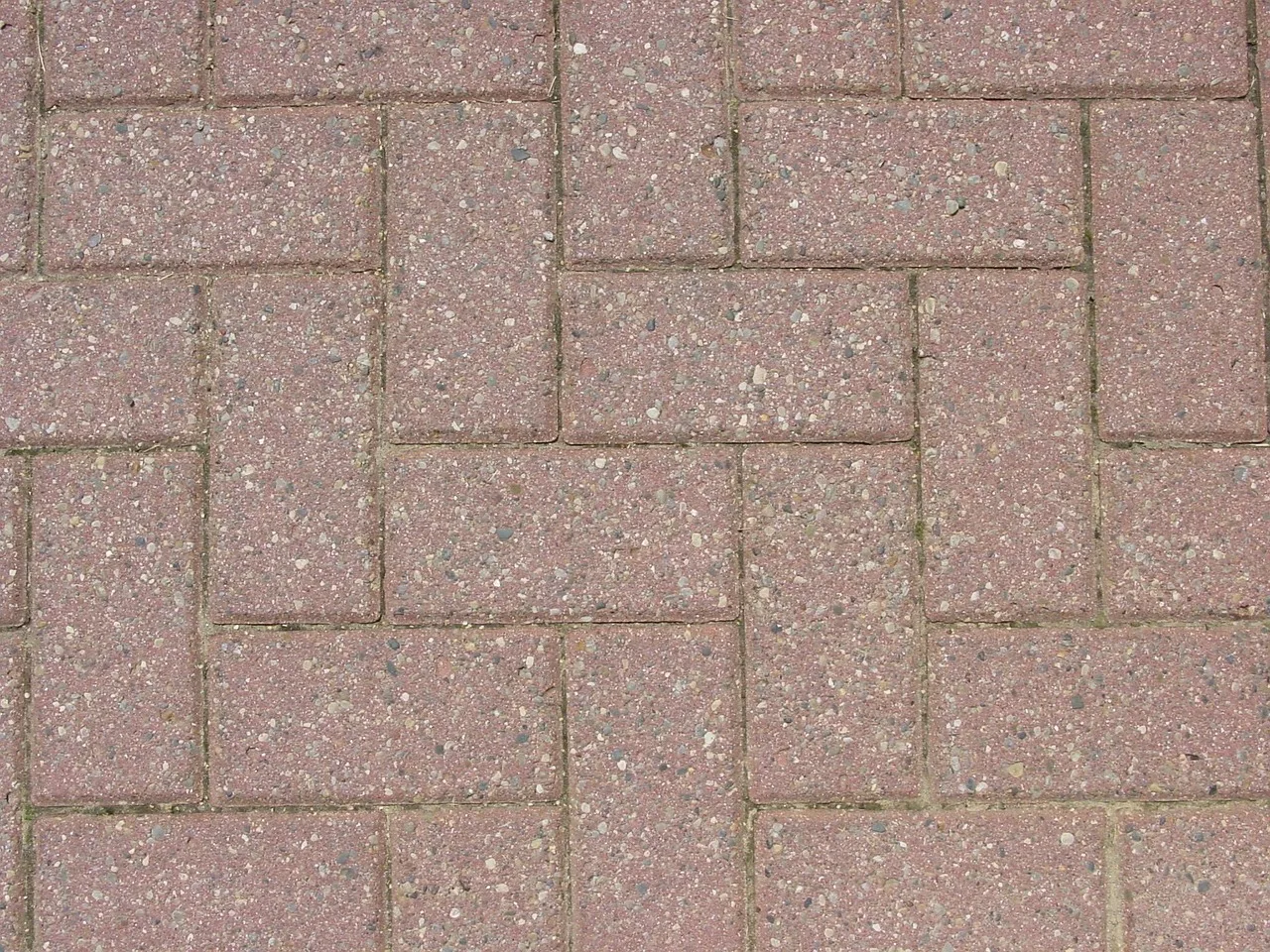
Concrete versus pavers versus gravel: small patio materials compared
Small patio materials compared for cost and upkeep: concrete, pavers, stone, gravel, porcelain and decking on a tight site, what each costs in upkeep.
On a small patio the surface is the whole visual field, so material choice carries more weight than it does across a large yard. It also carries more upkeep per square foot, because the entire area is in constant use. Compare on maintenance and water behavior first, appearance second.
What to take away
- Permeable surfaces reduce runoff but need clean, open-graded bases to keep working.
- Dark, dense surfaces store heat and radiate it into the evening.
- Repairability matters more than initial finish, since small areas show every patch.
The comparison
Cost (typical US installed per sq ft)
- Poured concrete
- $6 to $14
- Concrete pavers
- $10 to $22
- Natural stone
- $15 to $40
- Porcelain pavers
- $15 to $35
- Gravel or decomposed granite
- $2 to $5
- Wood or composite decking
- $15 to $45
Upkeep interval
- Poured concrete
- Reseal every 3 to 5 years if sealed
- Concrete pavers
- Refill joint sand annually
- Natural stone
- Reseal every 2 to 3 years if sealed
- Porcelain pavers
- Wash twice a year
- Gravel or decomposed granite
- Rake monthly
- Wood or composite decking
- Check fixings annually
Water behavior
- Poured concrete
- Sheds; needs slope and joints
- Concrete pavers
- Sheds, or permeable if specified
- Natural stone
- Sheds; some stones stain
- Porcelain pavers
- Sheds; needs precise falls
- Gravel or decomposed granite
- Infiltrates well
- Wood or composite decking
- Passes through, needs airflow below
Where it disappoints
- Poured concrete
- Repairs are visible; scaling in salt regions
- Concrete pavers
- Joint sand washout under downspouts
- Natural stone
- Cost, and acid cleaners cause permanent damage
- Porcelain pavers
- Cutting cost and edge detailing
- Gravel or decomposed granite
- Migrates into the house on shoes
- Wood or composite decking
- Rot and trapped moisture where ventilation is poor
Small areas magnify the upkeep column. That is why the problems and fixes list matters more here than on a big site.
Cost ranges are typical US installed prices for a small patio. Base prep, access, region and edge details move them. Upkeep cost is mostly labor; sealant and joint sand are the main material costs.
Water is the deciding factor
Every hard surface you add is water that used to soak in, and NOAA's education material on the water cycle is background on how water moves, not patio guidance. The practical version for a homeowner is simple: decide whether your surface infiltrates or sheds, then build the drainage to match that decision.
Choose Infiltrate or Shed
Does your subsoil accept water and stay clean?
Permeable system; underdrain in clay
Shedding system; consistent fall and legal outlet
Permeable systems work where the subsoil accepts water and the base stays clean. In clay they need an underdrain. Shedding systems need a consistent fall and somewhere legal for the water to go. Neither is universally better, but choosing neither and hoping is what produces a ponding patio.
Water availability points the other way in dry regions, and the National Weather Service's drought explainer is background on dry periods, not patio guidance. Where restrictions are routine, gravel, permeable paving and drought-tolerant planting outperform anything that needs irrigation to look intentional.
Match the material to how you will maintain it
Pick the material that tolerates the upkeep you will actually do. Gravel needs raking monthly. Wood needs fixings checked annually. Sealed stone needs resealing every 2 to 3 years. Porcelain needs washing twice a year.
If the household will not do the upkeep, pick the material that tolerates neglect rather than the one that photographs best. The layout patterns in the small patio design guide work with any of these surfaces.
For best value choose concrete pavers; for lowest upkeep choose porcelain pavers.