Features
Part of Patio design mistakes: ten recurring traps
Small Patio Storm Plan: What Counts as Safe Shelter
A small patio storm plan starts with a clear route indoors. Learn what counts as lightning shelter, what does not, and when to stay there.
A small patio storm plan is about more than lowering an umbrella: people need to know where safe shelter is and reach it without delay. A patio design mistake is treating a roof or canopy as protection from lightning. If you are still arranging the space, plan on paper first.
Choose the shelter before a storm
A patio roof, awning, screened enclosure, rain shelter, or small shed should not be your lightning destination. The National Weather Service says there is no safe place outside when thunderstorms are in the area. It advises moving to a substantial building or an enclosed, metal-topped vehicle with the windows up.
Choose the destination in advance and make sure everyone who uses the patio knows what it is. A substantial building with electricity or plumbing is an option; an enclosed, metal-topped vehicle with its windows up is another. Don't plan to wait under a patio cover while deciding where to go.
This distinction matters on compact sites, where a covered area can feel like a room and seem close enough to count. It is still outdoor cover, not a substitute for the shelter described in the National Weather Service lightning guidance.
Keep the route usable in the everyday layout
Trace the route from the places people actually sit or cook to the chosen shelter. Check it with the door open and with chairs, planters, and other usual items in position. A route that looks clear on an empty patio may be blocked once the space is in use.
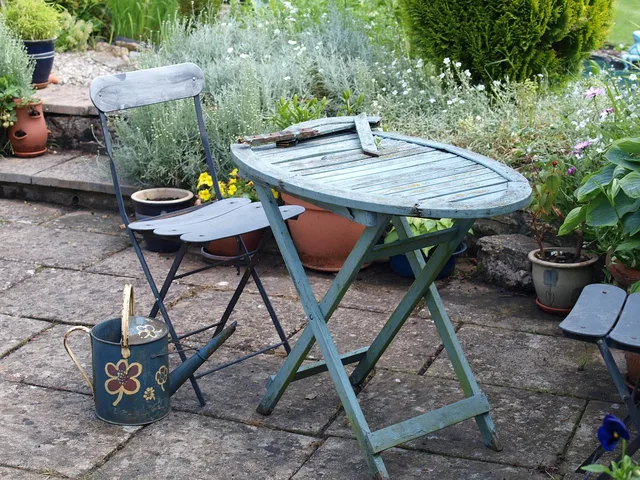
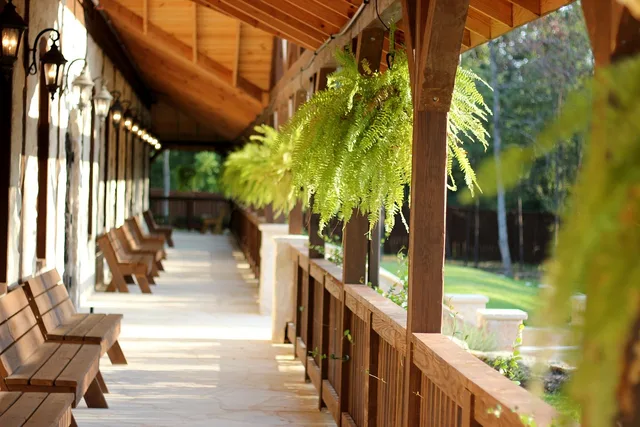
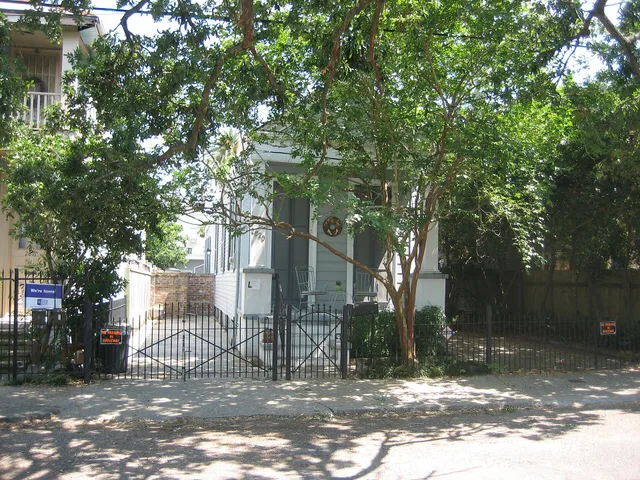
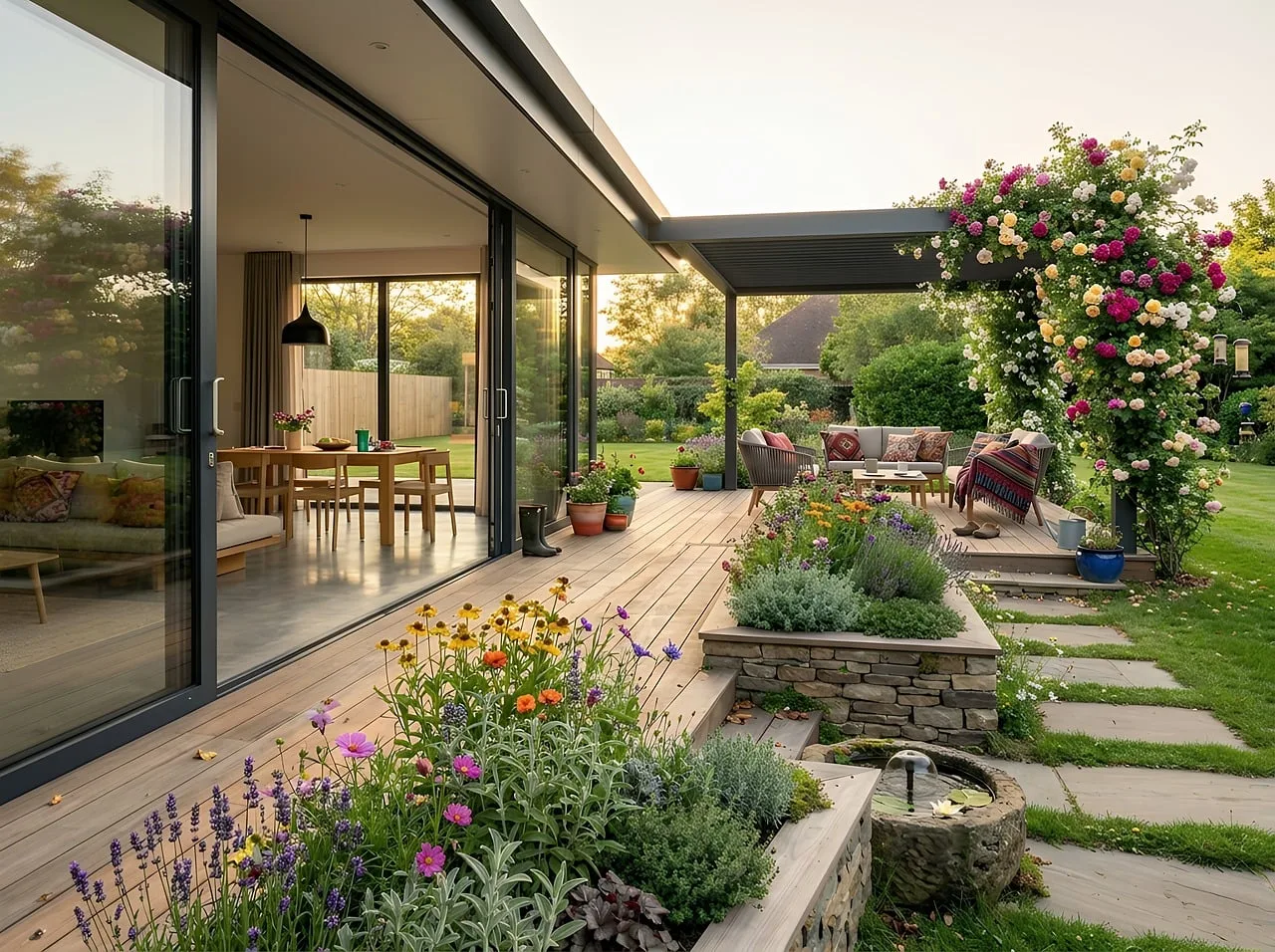
Keep stored cushions, movable furniture, and gardening items out of that path. The comparison below shows tight-patio layouts and the mistakes they prevent; use it to check whether the everyday arrangement leaves an unobstructed way toward shelter, not just a clear-looking patch of floor.
Four tight-site layouts
Layout
- Wall bench
- Blocked lane
- Offset table
- Too-big table
- Two-zone step
- Appliance crowding
- Hanging garden edge
- Shrinking floor
Mistake prevented
- Wall bench
- Offset table
- Two-zone step
- Hanging garden edge
Walk the route once in normal conditions and correct any obstruction you encounter. Don't rely on someone having time to pull a chair aside or move a planter when a storm arrives. For more ideas about what can fit in a compact outdoor area, see small-space outdoor living options.
Make the response faster than the scramble
Before a storm is close, set up a simple routine for patio items. The original plan for a compact space can be as straightforward as lowering the umbrella and bringing cushions inside (the patio furniture checklist covers storm stowing), but retrieving belongings must not delay people from reaching shelter.
Use this order:
- Know which substantial building or enclosed, metal-topped vehicle is the destination.
- Keep the route to it clear during ordinary use.
- If it is safe to do so before the storm, lower the umbrella and bring in cushions.
- When a thunderstorm is in the area, move to safe shelter immediately; don't stay outside to secure belongings.
- Remain in safe shelter for at least 30 minutes after the last sound of thunder.
The National Weather Service advises staying in safe shelter for at least 30 minutes after the last thunder. That waiting period is part of the plan, not a reason to return outside as soon as the rain eases.
One-minute storm plan
- Umbrella down
- Cushions grabbed
- Everyone inside
- Rehearse once
Rehearse the plan once
Walk from the patio to the selected shelter and confirm that the usual furniture arrangement does not get in the way. Make sure everyone knows that a covered patio, screened area, or small shed is not the destination. A practice run can reveal an awkward route early.
Keep the plan focused: people first, belongings only if they can be brought in safely before the storm, and no return outside until the waiting period is over. On a small patio, an unobstructed route and a known shelter are more useful than assuming a roof overhead makes the space safe.