Costs
What Must Come Out Before a Patio Renovation
Patio renovation costs start with the tear-out plan: identify what comes out, inspect the base, locate utilities, check local permits, and plan debris disposal.
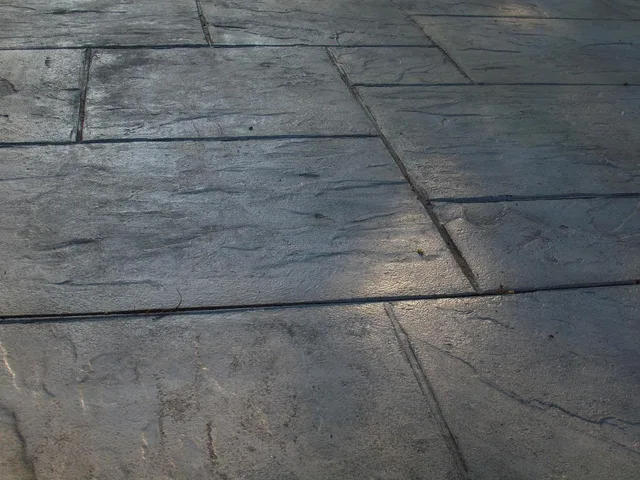
A patio renovation is not a new build with a discount. It combines demolition with construction, and the first task is to establish what must be removed before choosing replacement work. What sits beneath the old surface is unknown until it is exposed, so the tear-out scope should distinguish visible removals from hidden base conditions.
What to take away
- Make the tear-out list explicitold surface; any failed base; edging; steps affected by the new finished height; abandoned lighting or irrigation; and planting, turf or fencing damaged by access.
- Price the removal before the finish. Demolition and disposal often exceed the surface cost.
- Decide early whether the existing base is being reused, corrected or replaced.
- Resurfacing is only cheaper when the substrate is genuinely sound.
- Carry a larger contingency than a new build, because the site cannot be fully surveyed in advance.
The three renovation paths
What it involves
- Resurface in place
- New material bonded or laid over the existing slab
- Lift and relay
- Existing units removed, base corrected, units reset
- Full replacement
- Everything out, new base, new surface
When it is honest
- Resurface in place
- Slab is sound, drains correctly, and height still clears the door
- Lift and relay
- Units are in good condition and the base is repairable
- Full replacement
- Cracked slab, wrong falls, failed base, or a layout change
Most disappointing renovations resurface what should have been replaced. A slab that ponds, heaves or has moved will telegraph through anything laid on top, and the new surface fails early while the old cost stays buried.
Resurfacing materials include a bonded concrete overlay, concrete pavers, and exterior porcelain pavers. Their installed build-up heights differ, so compare the complete thickness, including bedding, with the door threshold, step risers, and drainage slope before committing. Confirm applicable local requirements and product instructions for the specific site; there is no single height allowance for every patio.
Three Patio Renovation Paths
Resurface in place
- What happens
- New material over slab
- Honest when
- Slab sound, drains, clears door
- Main risk
- Ponding telegraphs through
Lift and relay
- What happens
- Units out, base fixed
- Honest when
- Units good, base repairable
- Main risk
- Base fails again
Full replacement
- What happens
- All out, new base
- Honest when
- Cracked slab, wrong falls, layout change
- Main risk
- Highest cost
Get an honest assessment of the substrate before falling for a finish, and read the regrets that follow renovation spending before signing.
Build the reserve on evidence, not optimism
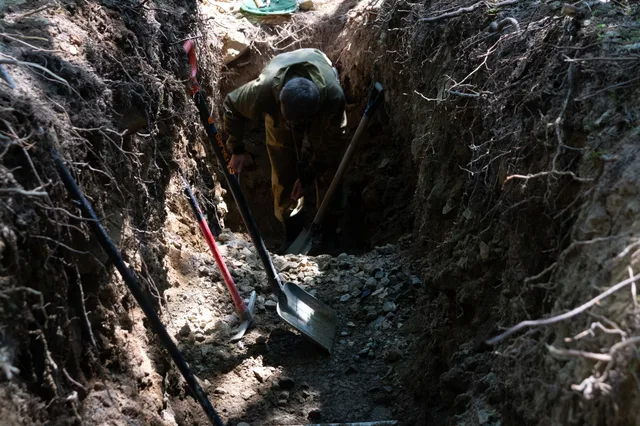
Reduce unknowns to shrink a contingency, and cheap steps exist. Before quoting, open a test hole in a corner of the existing surface. Photograph what is there. Check the falls with a level.
Confirm slab thickness and reinforcement rather than guessing. Review project records, inspect an exposed edge, and probe a test opening; if thickness remains unclear, ask a qualified contractor whether coring is appropriate. Confirm reinforcement from records or a suitable scan before coring. Every fact turns a guess into a line item.
Where freeze-thaw movement may have contributed to heaving, compare the damage with the site's weather history. NOAA's historical data resources provide long-run observations that can help put those conditions in context.
What the budget usually forgets
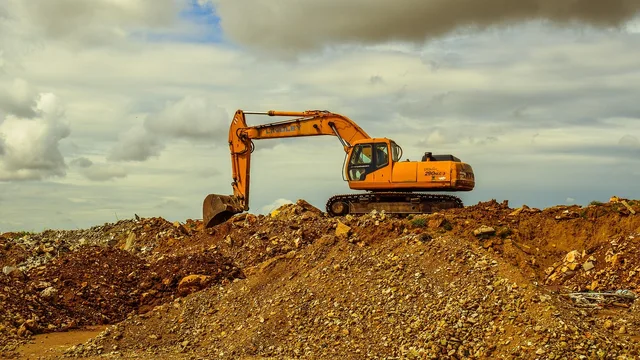
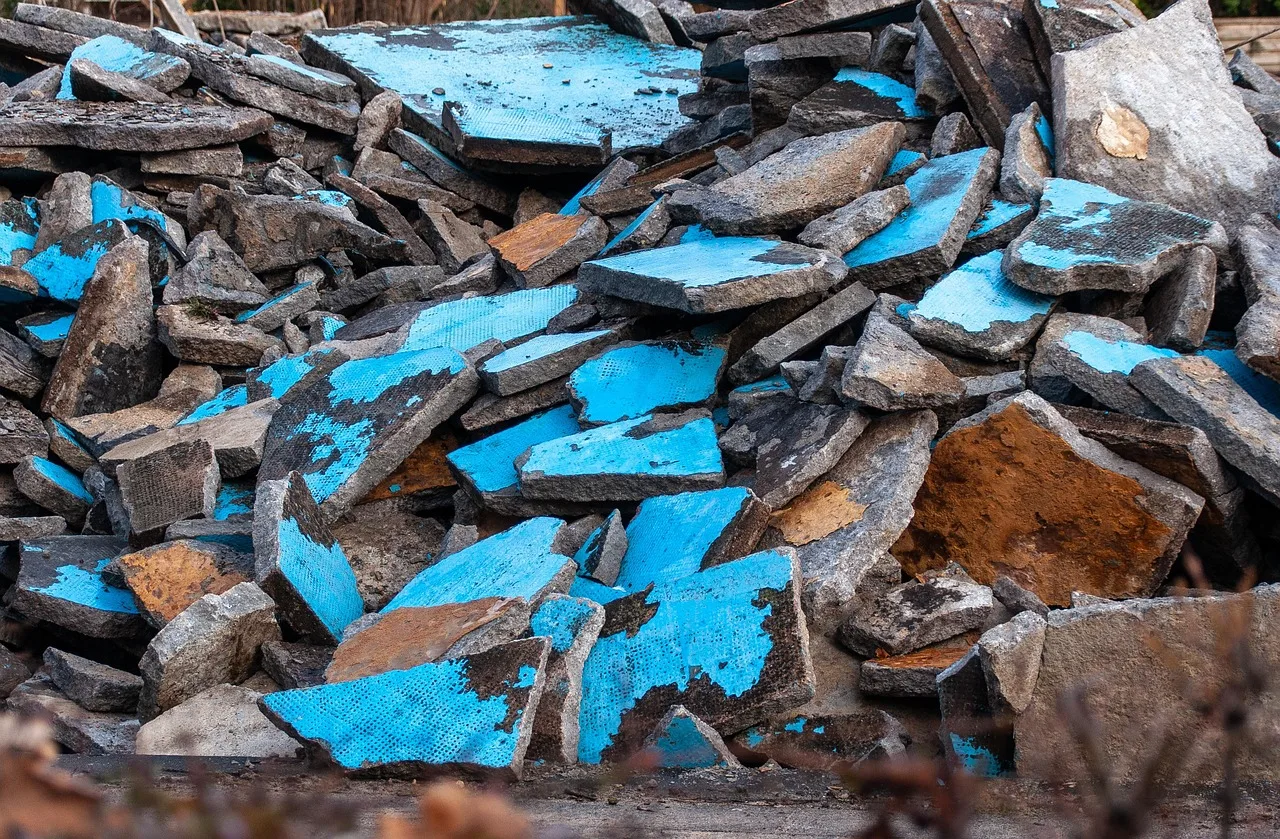
- Disposal.Broken concrete is heavy and priced by weight or volume, not by area. Ask the hauler or local solid-waste authority whether it can go to a construction-and-demolition transfer station or landfill, or to a concrete recycling facility that accepts clean concrete.
- Access damage.Equipment crossing a lawn or a driveway leaves repairs behind.
- Utilities.Call 811 before breaking ground to request marks for underground public utility lines. Old lighting and irrigation runs may not be on utility maps; ask whether privately owned lines need a separate locate.
- Height corrections.Removing an old surface changes the threshold relationship and may require rebuilding steps.
- Restoration.Planting, turf and fence repairs are part of finishing, not extras.
Before demolition, contact the city or county building department that issues permits for your property. Ask whether removal, base replacement, or changes to patio height or steps require a permit, which inspections apply, and whether the new base must be inspected before it is covered. Rules and inspection sequences vary by jurisdiction.
A renovation is the moment to photograph what is buried, note what was installed, and update the household's property record while everything is fresh. When the numbers are challenged later, that file is evidence and it strengthens the questions in vetting a contractor on price.
Common questions
Is resurfacing always cheaper?
Can I reuse my old pavers?
What contingency is realistic on a renovation?
Should I phase the work?
In this guide
- Patio renovation ideas: cheap fixes first, big work laterPatio renovation costs ideas for a small space: cheap fixes first — drainage, shade and lighting — then resurfacing only if the base is sound.
- Patio renovation regrets: the skipped test hole and the vague allowanceThe spending regrets that repeat after a patio renovation: the skipped test hole, the vague allowance, the deferred drainage and the finish bought too early.
- Rushing a patio renovation timeline: which phases to protect and why compression backfiresHow a patio renovation schedule runs phase by phase, and why rushing demolition, discovery, base work or cure creates later problems instead of saving time.
- What to check in a patio renovation contractor bidPatio renovation costs contractor bids: compare written scope, site assumptions, permits, insurance, change orders, payment terms and warranty—not just totals.
- Patio renovation spending order: what to fund firstA patio renovation costs comparison without dollars: the spend ranked by hours gained — drainage first, then shade, lighting and shoulder-season comfort.