Features
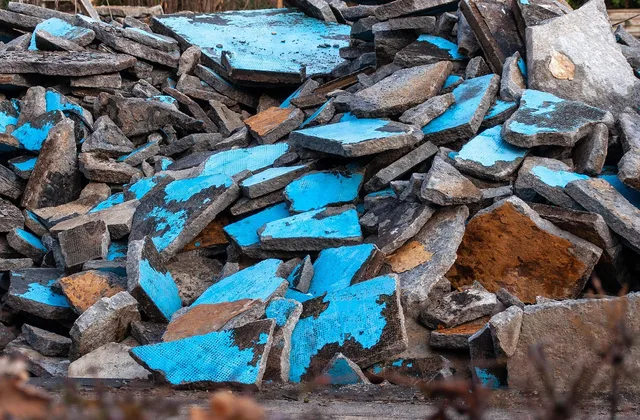
Part of What Must Come Out Before a Patio Renovation
Patio renovation ideas: cheap fixes first, big work later
Patio renovation costs ideas for a small space: cheap fixes first — drainage, shade and lighting — then resurfacing only if the base is sound.
Small patios are the one place where cheap patio renovation costs ideas work: the area is limited, so material costs stay modest, and the improvements that matter most are usually adjustments rather than replacements. The trap is spending the whole budget on a new surface that was never the problem.
What to take away
- Diagnose before you demolish. A surface that ponds needs drainage, not a new finish.
- The three cheapest high-impact changes are shade, light and storage.
- Partial renovation works well on a small site because the transitions are short.
- Defer anything that has to be undone if a future phase changes the layout.
- The big-ticket items are expensive because of labor, permits and footings, not because of the finish.
Spend here first
- Fix the water.Redirect a downspout, clear a blocked outlet, correct a low spot. Cheap, and it stops the damage.
- Add shade over the seats.A wall-mounted sail or an offset umbrella changes the usable hours immediately.
- Add task light.Step lights and one wall fixture extend the evening far more than decorative string lighting does.
- Add closed storage.A weatherproof bench keeps cushions usable and clears the floor.
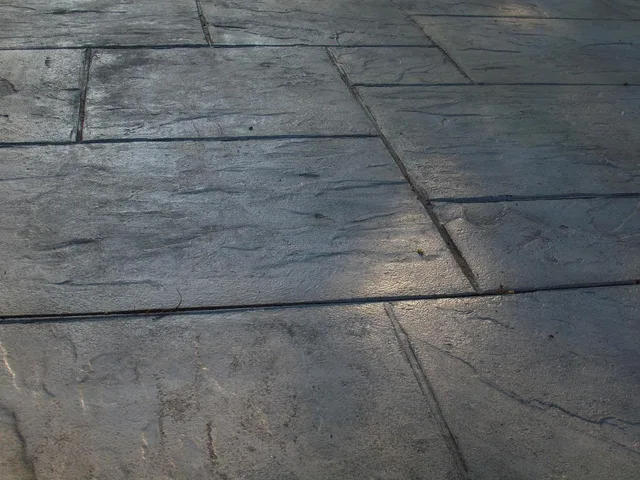
- Replace the edge restraint.On a paved surface this stops the slow spread that ruins the joints.
Together these often cost less than a quarter of a full resurface, and they address the reasons people avoid the space. That order also matches the pattern in small-space outdoor living, where comfort beats finish on a tight site.
Defer these
Full resurfacing, built-in kitchens, gas lines and permanent roofs are reasonable eventually. On a small patio they make poor first purchases, because they lock in a layout you may not keep.
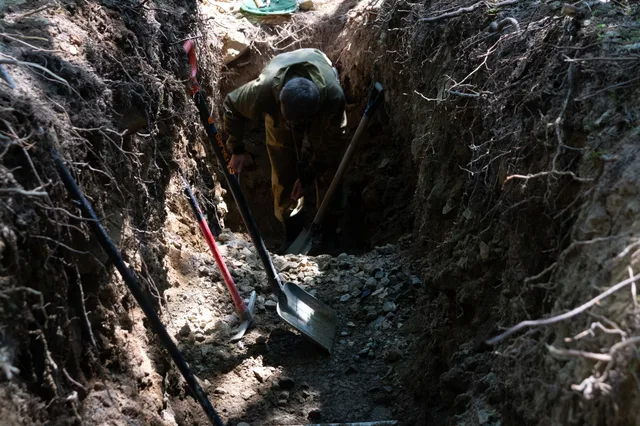
The expensive side is expensive for reasons that have little to do with the finish. Resurfacing means lifting or removing what is already there and preparing the base again. A built-in kitchen or a gas line means trenching, a licensed trade, and a permit from the local building department. Outdoor receptacles need GFCI protection under the National Electrical Code. A permanent roof means footings and, in most places, a permit and an inspection. Each of those is separate money, and each of them is hard to undo.
A small space reveals its faults within one season of real use. Learning that with movable furniture and a temporary shade costs far less than learning it with poured concrete.
If the substrate is sound, a lift-and-relay costs a fraction of a replacement and buys the same visual reset. If it is not sound, no finish will save it, which is the calculation set out in the renovation budgeting guide.
Cheap is not the same as safe to postpone. Clearing an outlet, re-jointing or replacing an edge restraint fixes the cause, so the money stays spent. A lift-and-relay, or a new finish laid over a base that moves, is cheap only until the next freeze. That is the judgment to make before phase one, not after.
Low-cost does not mean low-value
The same principle shows up well outside patios. FEMA's Ready campaign publishes low and no cost preparedness materials built on one idea: the steps that cut risk the most are usually the steps that cost the least.
For a patio, that means the loose items stowed before a windy spell, a water shutoff you actually know how to find, and cushions that go into the bench in ninety seconds. None of it is a renovation, and all of it protects what the renovation already paid for.
Timing helps the budget too. Spring is the easiest time to schedule small outdoor work: contractors are not at peak load, materials are in stock, and the space is finished before the season it serves. The National Weather Service's spring safety hub is a reminder of what that season can still throw at an outdoor room.
A realistic small-patio phase plan
Phase one: drainage correction, edge restraint, joint refill, one shade element. Phase two: lighting, power if needed, storage. Phase three: surface renewal, once the layout has proved itself. Each phase stands alone, none of them undoes the previous one, and the space is usable throughout. That is what separates phasing from stalling.