Industry
Grading decides whether outdoor space makeovers actually last
Five repeatable yard makeover patterns, what problem each one solves, and the grading, drainage and slope questions that decide whether any of them lasts.
These are patterns rather than case studies. Naming real properties and owners is not something this article can verify, and an invented example teaches nothing. What is genuinely transferable is the shape of a makeover: what problem it solves, what it costs in disruption, and what has to be right underneath for it to survive.
What to take away
- Every makeover pattern is a response to a specific problem, so identify the problem first.
- Grading and drainage decide whether any pattern lasts, regardless of how it looks.
- Changing the shape of the ground is a bigger intervention than it appears.
- Match the pattern to how the household uses the yard now, not to how it might.
The five patterns
- The single destination.One well-built seating area with shade, light and a path to it, and the rest of the yard left simple. Solves the sprawling, unfocused yard.
- The two-zone split.A hard-surface zone near the house for dining and a quieter zone further out. Solves the yard that has one crowded area and one unused area.
- The utility strip.A narrow side yard converted to storage, bins, tools and drying, freeing the main yard entirely. Solves clutter creep.
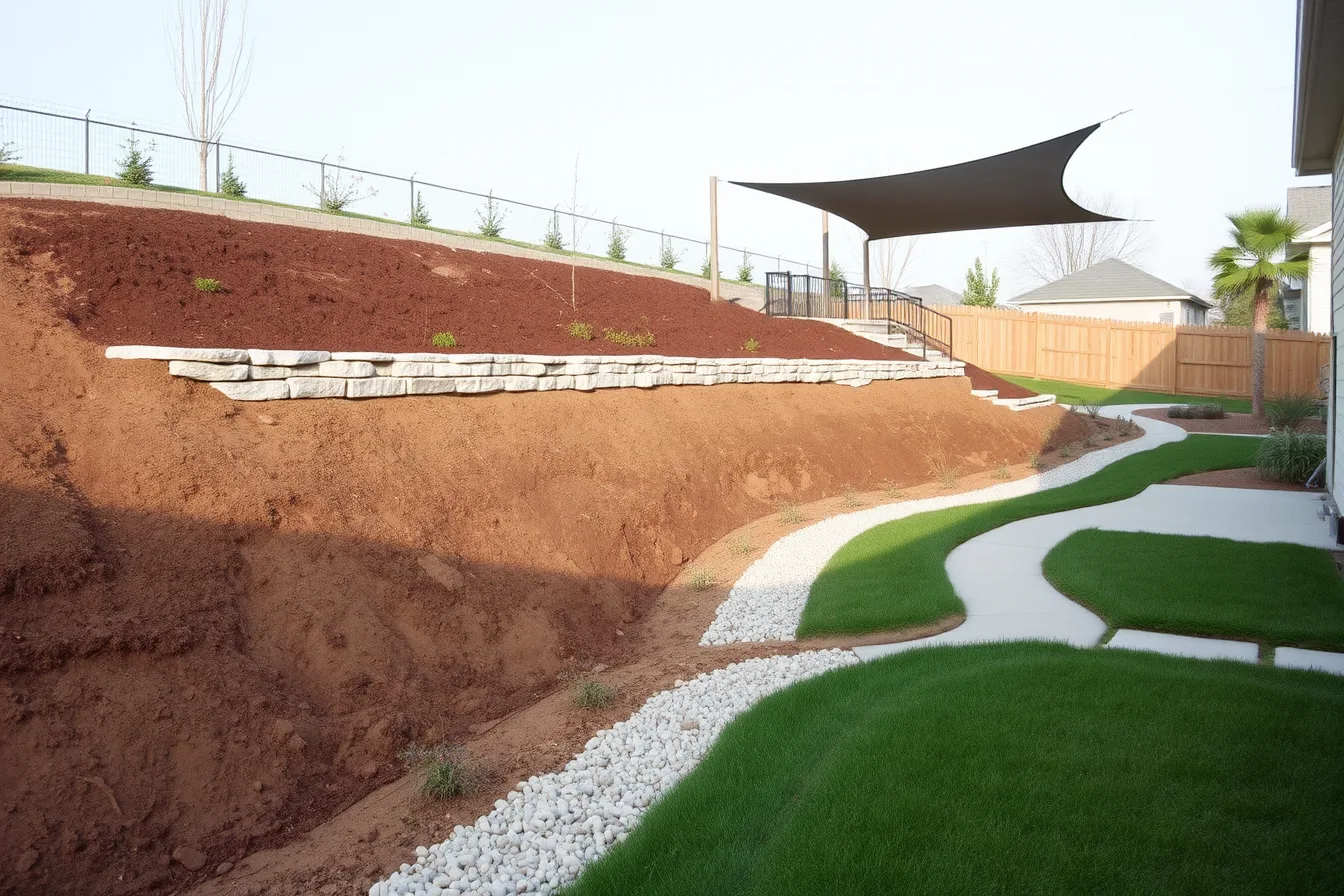
- The terrace on a slope.One level cut and retained, rather than a yard that is usable nowhere. Solves the unusable sloping garden.
- The low-water reset.Turf reduced, planting matched to the local climate, irrigation simplified. Solves high upkeep and water cost.
Each pattern assumes a problem statement. Choosing a pattern because it looks appealing, without naming the problem, produces the most common makeover failure: a beautiful yard that the household still avoids. Sorting the problem from the aspiration is the work that the self-review method for furniture applies at a smaller scale.
Five yard makeover patterns
Pattern
- Single destination
- Sprawling, unfocused yard
- Two-zone split
- One crowded, one unused area
- Utility strip
- Clutter creep
- Terrace on a slope
- Unusable sloping garden
- Low-water reset
- High upkeep and water cost
Problem it solves
- Single destination
- Two-zone split
- Utility strip
- Terrace on a slope
- Low-water reset
Grading is the pattern underneath the patterns
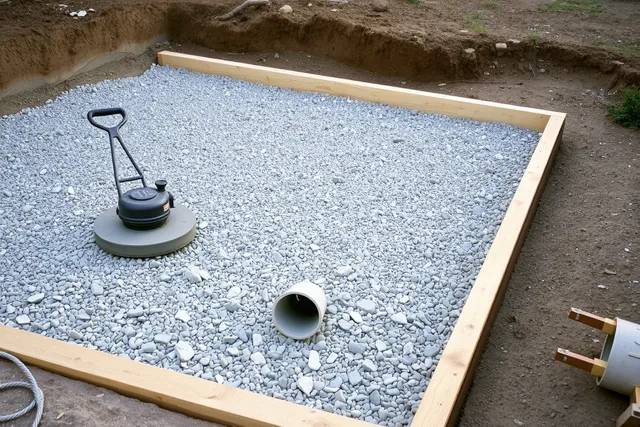
Four of those five involve moving soil, and moving soil changes where water goes. Before any of it, establish the existing falls, where water currently leaves the property, and what is downhill of you. Adding a terrace or regrading a slope can send water to a neighbor, into a foundation, or into a basement that had never taken water before.
Before moving any soil
- Establish the existing falls
- Find where water leaves the property
- Identify what is downhill of you
- Check risk to neighbor, foundation, basement
- Use a professional on anything steep
Slopes deserve care. FEMA's Ready campaign notes that landslides occur in all U.S. states and territories. They can be triggered by storms, fire, and human modifications of land. The most dangerous hit quickly, with little notice.
Cutting into a slope is one such modification. On anything steep, that is engineering work for a professional, not a weekend of digging.
Design against the actual weather
The five patterns share exposure. NOAA's education material on weather and the atmosphere calls weather the state of the atmosphere at a particular place and time.
That frame supports a habit: record what your yard does across a year, then design to that record, not a pleasant memory.
Two months of notes will tell you where the wind comes from, which corner holds frost, where water stands, and which area is unusable after three in the afternoon. Those four observations shape every pattern above, and they are free. The same evidence-first approach shows up in the lessons from covered patio projects, where the invisible details decide the outcome.