Costs
Part of Covered patio systems compared: solid roofs, louvered covers and pergolas
Covered patio systems: what drives each quote line
Covered patio systems cost hides in the quote lines buyers skim: footings, framing, roof panels, electrical, permits and the safety items.
Covered patio systems cost arrives as a single number in every quote, and that is why quotes are hard to compare: each patio cover quote bundles structure, finish and electrical while making different assumptions about all three. Break the quote into parts and the differences become visible immediately, usually in the footings and the electrical.
That is why this breakdown stays on the drivers behind each line rather than on one headline figure: footing, framing, roof structure, electrical scope and permit requirements vary by site and by jurisdiction, and each one moves the number. Ask each bidder to state those assumptions and the quotes become comparable.
What to take away
- Footings and framing carry most of the cost, and they are the least visible in the finished result.
- Electrical work is a separate licensed trade and belongs on its own line.
- Permit and engineering fees are real costs, not overhead to be absorbed.
- Budget the safety items deliberatelyalarms, clearances and, on exposed structures, lightning protection.
Break the quote into these lines
| Line | What drives it | Frequently under-priced |
|---|---|---|
| Footings and excavation | Frost depth, soil, access | Deeper footings after a soil surprise |
| Framing and hardware | Span, load rating, material | Corrosion class in coastal air |
| Roof panels or louvers | Area, material, moving parts | Seals, drives and their servicing |
| Ledger and flashing | Wall construction, condition | Repairs found when cladding is opened |
| Gutters and discharge | Length, outlet location | Somewhere legal for the water to go |
| Electrical | Circuits, fixtures, trenching | Licensed labor, permit, inspection |
| Permits and engineering | Jurisdiction, scope | Engineering letters for load compliance |
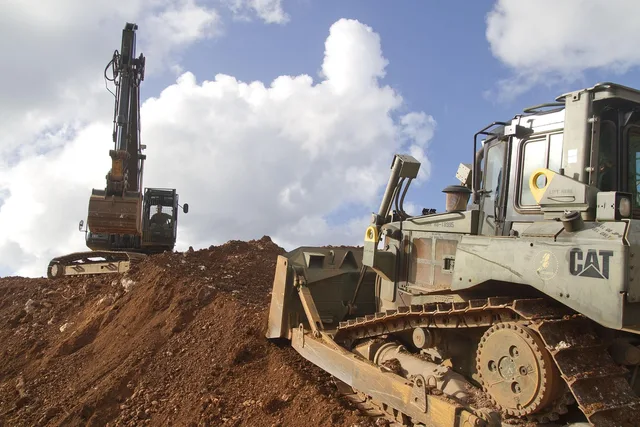
| Finish and restoration | Paint, planting, access repair | Damage from the equipment that dug the footings |
Two quotes that differ by thousands usually differ on the first row and the sixth. Ask each bidder to state footing depth and diameter, and to say whether electrical is included or excluded. Choosing the right system in the first place, covered in the comparison of covered patio systems, changes several of these lines at once.
Covered Patio Quote Line Items
Line item
- Footings and excavation
- Frost depth, soil, access
- Framing and hardware
- Span, load rating, material
- Roof panels or louvers
- Area, material, moving parts
- Ledger and flashing
- Wall construction, condition
- Gutters and discharge
- Length, outlet location
- Electrical
- Circuits, fixtures, trenching
- Permits and engineering
- Jurisdiction, scope
- Finish and restoration
- Paint, planting, access repair
What drives it
- Footings and excavation
- Deeper footings after soil surprise
- Framing and hardware
- Corrosion class in coastal air
- Roof panels or louvers
- Seals, drives, servicing
- Ledger and flashing
- Repairs when cladding opened
- Gutters and discharge
- Legal place for water
- Electrical
- Licensed labor, permit, inspection
- Permits and engineering
- Engineering letters for load compliance
- Finish and restoration
- Damage from digging equipment
Often under-priced
- Footings and excavation
- Framing and hardware
- Roof panels or louvers
- Ledger and flashing
- Gutters and discharge
- Electrical
- Permits and engineering
- Finish and restoration
Do not economize on the safety lines
Some budget items look optional and are not. The U.S. Fire Administration groups the household hazards worth planning for, from carbon monoxide to burns and falls, in its life safety hazards material. A covered outdoor space touches most of them.
Carbon monoxide alarms for the rooms adjoining the covered area are a small line; ask for units listed to UL 2034. So is a properly rated outdoor circuit — GFCI protection on outdoor receptacles, as the National Electrical Code requires — instead of an extension cord habit. So is a grill pad in the open air at the manufacturer's clearance, rather than a cheaper position under the roof, which is not a position at all.
That last one is worth stating plainly because it is a cost decision people rationalize. Nothing that burns fuel goes under the roof, under an awning, or inside a screened enclosure. Carbon monoxide is odorless and a ceiling holds it at seated height.
The line most people have never considered
For a tall or isolated structure, ask about lightning protection. The National Weather Service says lightning rods and their associated systems do not prevent a strike: they intercept it, carry the discharge along a listed conductor, and disperse it into a grounding network. The standard behind that installation is NFPA 780, the 2026 edition of the Standard for the Installation of Lightning Protection Systems.
Correct bonding matters to reduce side flashes. It is a specialist installation and a specialist price, worth at least pricing on an exposed site before deciding against it.
Whether it earns its place depends on the site, but it belongs in the conversation alongside the general planning covered in the outdoor living guide to drainage, shade, seating and light.