Reviews
Part of Covered patio systems compared: solid roofs, louvered covers and pergolas
Which covered patio components are actually worth sampling before you buy?
Covered patio components worth testing before you specify: panels, seals, fasteners, gutters, screens and fans, what to sample, how to test each one on site.
Naming brands would date this article within a season, and product lines differ by region anyway. What does not change is the component list, the property that matters in each case, and the small test that tells you whether a sample suits your site before it is installed across the whole structure.
What to take away
- Sample panels outdoors for a month before ordering the full roof.
- Test fasteners and brackets for corrosion resistance, not for appearance.
- Screens and gaps are what decide whether embers and smoke reach the space below.
- Ask for the test standard behind any claim, then check the claim matches your conditions.
Components worth sampling
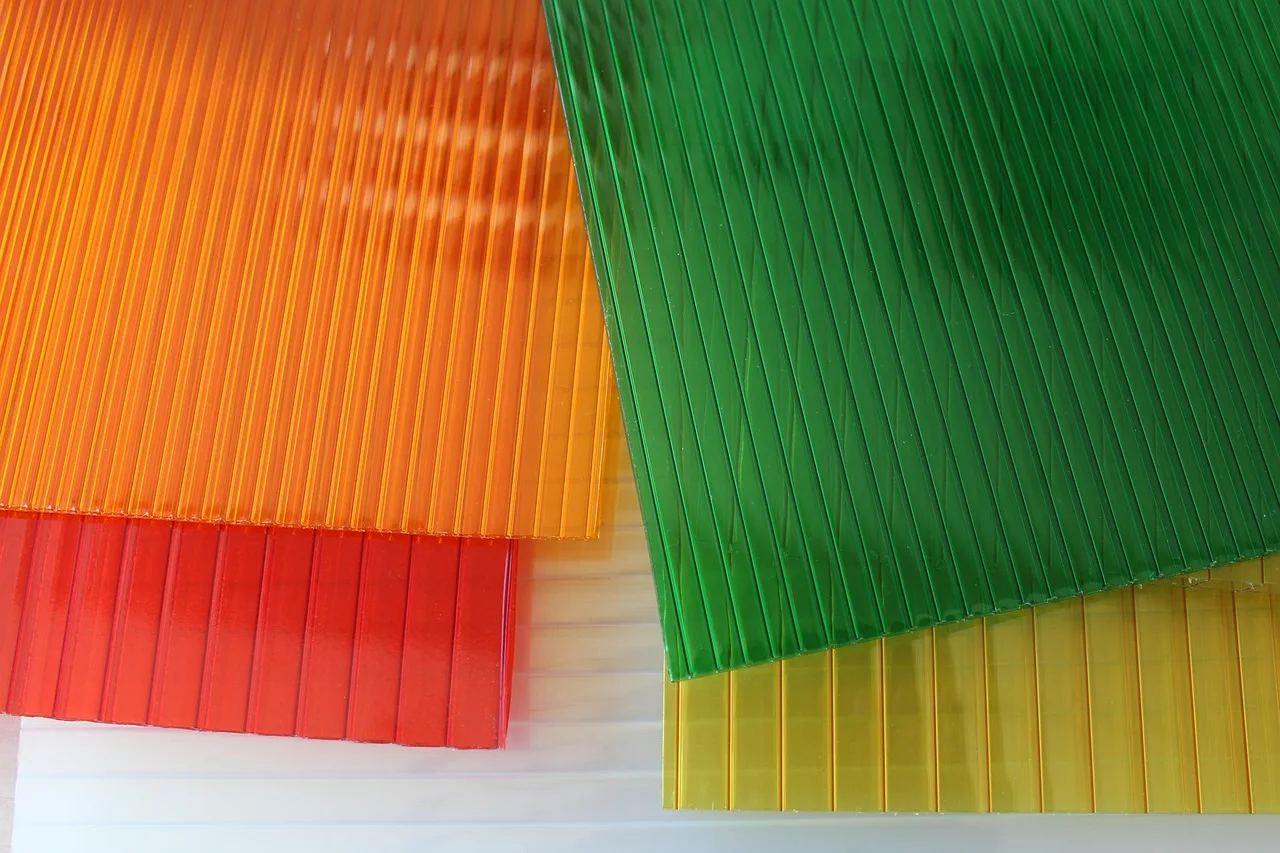
- Roof panels.Leave a sample outdoors, angled, for a month. Look for chalking, distortion and how it sounds in heavy rain.
- Fasteners and brackets.Ask for the corrosion class. In coastal air, ordinary plated steel fails first and takes the frame with it.
- Seals and gaskets.On louvered systems, ask how they are replaced and whether replacements are stocked separately.
- Gutters and outlets.Test the whole water path with a hose before finishing, including where the water lands.
- Screens.Compare mesh, frame stiffness and how easily a panel can be removed for cleaning.
- Fans and fixtures.Confirm outdoor ratings for the exact location, since damp-rated and wet-rated are different things.
Testing beats specification sheets because your site has conditions the sheet did not consider: shade that keeps a panel wet, a tree that drops sap, salt air, or a wind funnel between houses. Those same conditions shaped the regional choices covered elsewhere.
Sound is the property nobody samples and everybody notices. Metal and polycarbonate panels are loud in heavy rain, which some households find pleasant and others find unusable for conversation. Hold a sample panel overhead during a downpour, or ask to stand under a finished installation of the same system, before committing to the material.
Embers, gaps and stored goods
A roof creates a sheltered volume, and sheltered volumes collect things. In fire-prone areas that combination is the risk worth engineering against. The National Fire Protection Association's guidance on preparing homes for wildfire describes methods homeowners can use so a home withstands ember attack, and a patio cover is part of that assembly rather than an accessory to it.
Practical version: choose non-combustible framing and panels where possible. Close gaps where embers lodge, keep gutters and roof valleys clear, and stop storing firewood, cushions and cardboard beneath the cover during fire season.
Use fine mesh screens that keep embers out of the space, and make them removable so you can clean the gaps behind them.
Air under a roof behaves differently
Smoke and stagnant air both linger under a cover. The National Weather Service's air quality safety resources collect public guidance on air quality alerts and impacts, and on smoke days a covered patio can hold poor air longer than the open yard beside it. A fan helps circulation; it does not filter anything.
The same physics makes combustion a hard no under a roof, and grills, propane heaters, fire pits and generators produce carbon monoxide. It is odorless and collects under a ceiling at the height where people sit.
Test and specify electric heating for a covered space, and keep every fuel-burning appliance in the open air. That rule's lessons recur in projects involving covered patios.