Maintenance
Part of Outdoor living: drainage, shade, seating and light
No shade and no outlets top the list of outdoor living regrets
Homeowners regret missing shade, badly placed electrical outlets, fire pits sited too close, and patios sized for a party instead of a Tuesday.
Regret rarely lands on what people worried about. Nobody laments the paver color. They lament no shade over the seats, a slab still hot at five, lights too dim at eight, and no outlet near the chairs. Every one of those is decided on paper, months earlier, for very little money.
What to take away
- No shade over the seats is the regret homeowners fix most often, and the most costly to fix later.
- A single outlet forty feet from the chairs comes next, and it is cheap to prevent before the pour.
- Power, water and conduit belong under the surface before the patio goes down, never after.
- Fire features get sited for the view, then moved for the clearance the manual already specified.
- Sizing for the once-a-year party leaves a space that feels empty the other 360 days.
- Ask your local building department, a licensed electrician or the fire authority before you commit; the rules are local.
The regrets that repeat, and the fix for each
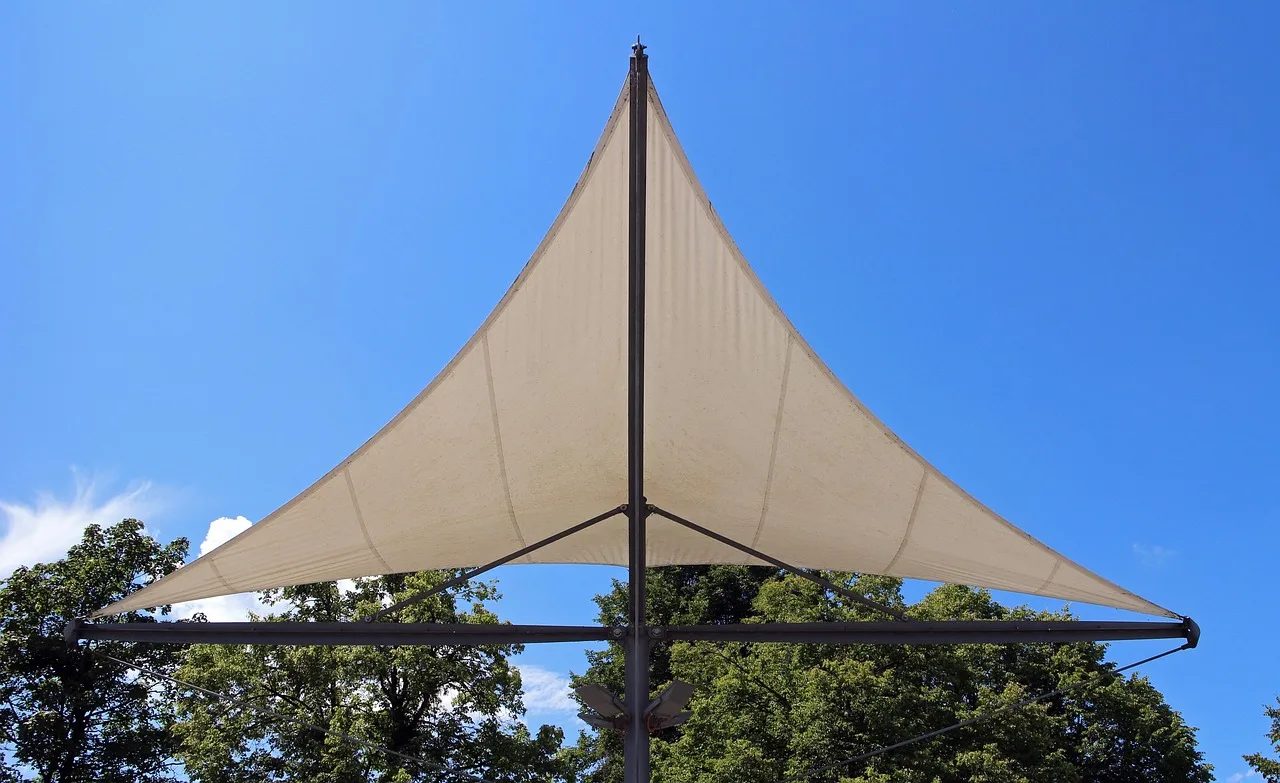
- No shade over the seats.A maple or an oak takes a decade to cast usable shade, and a pergola needs footings. Coolaroo sells knit shade sails, typically $40 to $100, Treasure Garden and Tuuci build cantilever umbrellas, and SunSetter makes retractable awnings. An umbrella is the stopgap most households never upgrade.
- One outlet, badly placed.Outdoor receptacles need GFCI protection, and the National Electrical Code requires an in-use cover wherever one sits in a wet spot. Leviton and Hubbell make weather-resistant GFCI receptacles; TayMac makes the bubble covers. A cord across a walking lane is a trip hazard and the reason string lights come down after a season.
- No hose bib or drain.A Woodford Model 19 freezeless sillcock, the standard fix in cold states such as Minnesota and upstate New York, typically costs $60 to $100 and has to go in before the siding closes. NDS and ACO sell channel drains that carry water off a slab. Cleaning a patio with a watering can is a chore people quietly stop doing.
- A grill jammed against the siding.Weber and Napoleon owner's manuals call for clearance to combustible walls, typically 24 to 36 inches depending on the model, and warn against use under a combustible overhang. Convenience wins at layout, then the manual specifies a clearance nobody left room for.
- Furniture bought before the space was lived in.A year of use tells you whether the household dines outside or lounges outside. Few do both.
The heat that empties the space
The complaint is boredom. The measurable cause is temperature. The National Weather Service keeps a collection of heat safety material covering heat watches and warnings, the heat index, danger after sundown, and outdoor work. Read it before deciding a west-facing slab needs only furniture.
A surface in full afternoon sun stays warm long after the sun drops. That is why evening use disappoints even when the forecast looks mild.
Cheap in planning, painful later: orient seating away from the low western sun, and put the shade structure over the chairs rather than over the table.
Installed shade is not cheap. A 12-foot retractable awning from SunSetter typically lands between $2,000 and $4,000 installed, and a cantilever umbrella from Treasure Garden or Tuuci runs $300 to $1,500. A Coolaroo sail hangs for under $200.
A worked example: the fire pit that had to move
Fire features rank as the most expensive regret to fix, because the concrete usually comes up with them. Portable units cost less to move: Solo Stove's Bonfire and Breeo's X Series run typically $300 to $1,000, and neither needs a footing. The sequence that avoids the problem:
The fire pit that had to move
- Measure manufacturer clearance to the house, the fence, overhanging branches, and any combustible screen or awning.
- Confirm with your local fire authority what may be burned, when, and how close to a structure.
- Decide ventilation before you build. Nothing that burns goes under a roofed porch or a screened enclosure.
Carbon monoxide has no odor, and a ceiling traps it over the seating. That is a fire authority and gas fitter question, not a design preference.
Outside fires are not rare, so correction cost matters. The U.S. Fire Administration's breakdown of causes of outside and vehicle fires puts the 2024 national estimate for outside fires at 628,500. Unintentional causes are the largest slice, about 40 percent.
Getting it into the contract
A regret is usually a line item that never made it into the bid. Conduit, a Woodford sillcock, footing depth for a future pergola, the NDS channel drain that keeps water off the slab: each is cheap at excavation and dear at demolition.
Ask for each as its own line so you can see what you are buying. Read how to vet a contractor before you sign, and work through the sequence in the outdoor living planning guide first.
Common questions
What is the cheapest regret to prevent?
Conduit. An empty sleeve under a patio before the pour costs very little and saves a demolition later. Ask the contractor to price it as its own line.
How big should a patio actually be?
Size the pad for the group that shows up most weeks, then add one flexible zone for the rare larger gathering.
A common rule of thumb gives each diner about 3 feet of table edge and 36 inches of chair pull-out, so a table for six typically wants a pad near 12 by 12 feet. A patio built for the annual party reads as a parking lot on a Tuesday.
Should I install lighting myself?
Low-voltage plug-in kits from Malibu or Hampton Bay are homeowner work. New circuits, buried cable and hardwired fixtures belong to a licensed electrician working under permit. Your local building department sets what needs one.
Is a fire pit worth it?
For households that use the space in shoulder season, usually yes. For a small enclosed yard with tight clearances, often not. A portable unit such as the TIKI Brand tabletop fire pit or Solo Stove's smaller Ranger fits a narrow patio. Clearance rules are set locally.